AI Insight
The Rise of AI-Powered Productivity Analytics
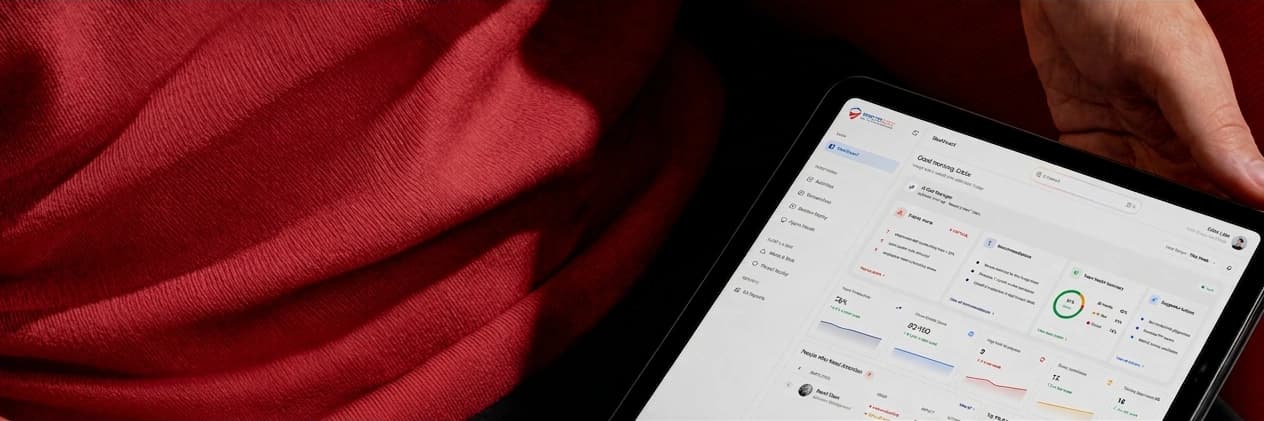
AI search and assistants help managers ask natural-language questions about activity, productivity, and risk-grounded in your org’s data.
Read Article

Default lists of “productive apps” fail niche teams. Profiles and activity rules let you encode real work-IDEs, CRMs, client portals.
Out-of-the-box productivity labels rarely fit every org. A fintech team lives in proprietary terminals; a design studio lives in Figma; a support desk lives in Zendesk and dialers. Spectosoft addresses this with productivity profiles and hundreds of configurable activity rules.
Every org gets a General profile with rules for common engineering, design, and communication tools plus domains like GitHub, Jira, and internal sites.
Child profiles can target departments with different assignments so sales and engineering are not judged against the same app list.
New apps and domains appear constantly. The unclassified inventory shows what the agent saw but no rule matched-managers classify in bulk instead of guessing from idle metrics alone.
Assign an owner to review unclassified monthly, update rules when you adopt new SaaS tools, and document changes for compliance. Good rules make productivity percentages worth discussing in one-to-ones.
AI search and assistants help managers ask natural-language questions about activity, productivity, and risk-grounded in your org’s data.
Without shared context on how work happens, remote teams drift into over-meetings, burnout, or quiet disengagement-long before KPIs show it.
When a behavior alert fires, timelines and screenshots are not enough. Replay shows what actually happened on screen-in context.